Healthy, glowing skin is not just about using expensive products or following the latest skincare trends. At the core of truly healthy skin lies one crucial factor that is often overlooked — the skin barrier. When your skin barrier is strong and intact, your skin can protect itself, retain moisture, and stay resilient against daily damage. When it is compromised, even the best skincare routine may fail to deliver results.
Dermatologists often emphasize that before treating concerns like acne, pigmentation, or premature aging, it is essential to first restore and protect the skin barrier. This is why many people are now advised by a skin doctor in Pimpri Chinchwad to focus on barrier repair as the foundation of any skincare plan.
What Is the Skin Barrier?
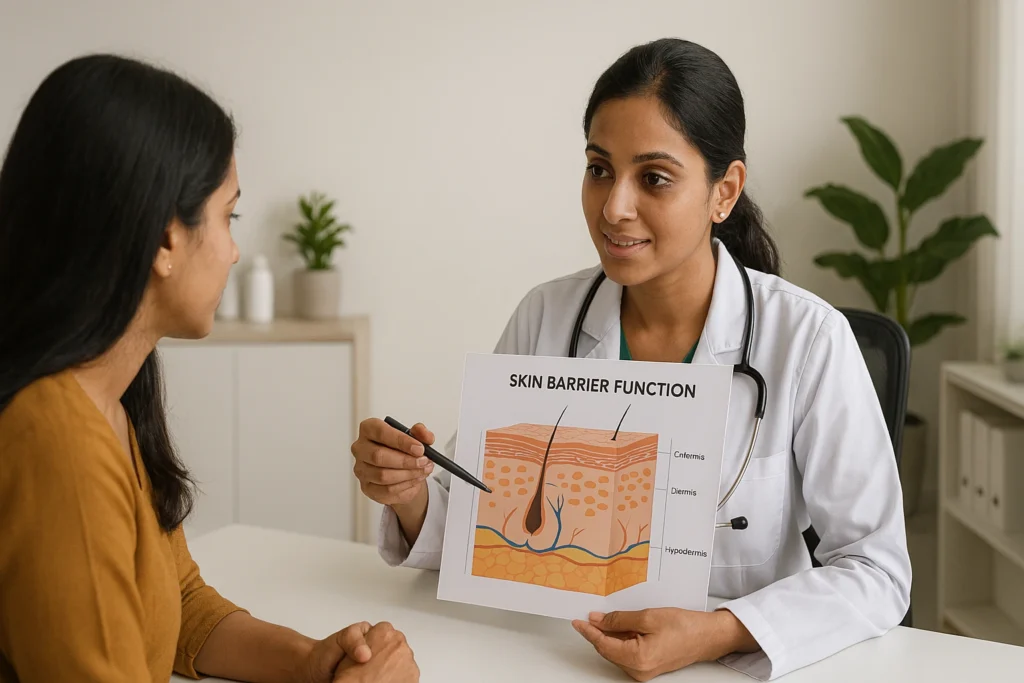
The skin barrier, also known as the stratum corneum, is the outermost layer of the skin. It is made up of skin cells (corneocytes) held together by natural lipids such as ceramides, cholesterol, and fatty acids.
You can think of the skin barrier as a protective wall:
- It keeps moisture locked inside
- It prevents harmful bacteria, pollutants, and allergens from entering
- It protects against environmental stressors like sun exposure and pollution
When this barrier is healthy, the skin feels smooth, hydrated, and comfortable. When damaged, the skin becomes vulnerable and reactive.
Why Skin Barrier Protection Is So Important
1. Prevents Moisture Loss
A healthy skin barrier reduces transepidermal water loss (TEWL). When the barrier is damaged, moisture escapes easily, leading to dryness, flakiness, and tightness. This dehydration can make fine lines appear more prominent and worsen existing skin conditions.
2. Defends Against Environmental Damage
Urban living exposes skin to pollution, dust, UV rays, and chemical irritants daily. A strong barrier acts as a shield, reducing oxidative stress and inflammation caused by these factors.
3. Reduces Sensitivity and Irritation
If your skin stings after applying products or turns red frequently, your barrier may be compromised. Barrier protection helps calm the skin, making it less reactive and more tolerant to skincare treatments.
4. Supports Skin Healing and Repair
The skin constantly renews itself. A healthy barrier allows faster recovery from acne, minor wounds, procedures, and environmental damage. Without it, healing becomes slow and uneven.
Signs of a Damaged Skin Barrier
Many people unknowingly damage their skin barrier while trying to “fix” their skin problems. Common signs include:
- Persistent dryness or rough texture
- Redness, itching, or burning sensation
- Sudden breakouts or acne flare-ups
- Increased sensitivity to skincare products
- Dull or tired-looking skin
If these symptoms persist, consulting a qualified skin doctor in Pimpri Chinchwad can help identify the cause and guide proper barrier repair.
What Causes Skin Barrier Damage?
Over-Exfoliation
Using scrubs, acids, or exfoliating tools too frequently strips away natural lipids, weakening the barrier.
Harsh Cleansers
Soaps with strong detergents can disrupt the skin’s natural pH and remove protective oils.
Excessive Use of Actives
Ingredients like retinoids, vitamin C, and chemical peels are effective but can damage the barrier if overused or layered incorrectly.
Environmental Factors
Sun exposure, pollution, extreme weather, and air conditioning can all compromise barrier function over time.
Stress and Poor Lifestyle
Lack of sleep, dehydration, smoking, and an imbalanced diet can reflect directly on the skin barrier’s health.
How to Protect and Repair Your Skin Barrier
1. Use a Gentle Cleanser
Choose a mild, pH-balanced cleanser that cleans without stripping natural oils. Avoid foaming cleansers if your skin feels dry or tight after washing.
2. Moisturize Regularly
A good moisturizer replenishes lost lipids and seals hydration. Look for ingredients like:
- Ceramides
- Hyaluronic acid
- Glycerin
- Squalane
- Panthenol
These ingredients help rebuild and strengthen the barrier.
3. Limit Exfoliation
Exfoliate no more than 1–2 times a week, depending on your skin type. If your skin feels irritated, take a break and focus on hydration and repair.
4. Always Use Sunscreen
UV rays are one of the biggest enemies of the skin barrier. Daily sunscreen protects against sun damage and prevents long-term barrier weakening.
5. Simplify Your Skincare Routine
More products do not mean better skin. A simple routine with fewer, well-chosen products allows the skin barrier to recover naturally.
Skin Barrier and Common Skin Conditions
A damaged skin barrier is often linked to conditions such as:
- Acne
- Eczema
- Rosacea
- Psoriasis
- Pigmentation
In many cases, treating the barrier first leads to better control of these conditions. This is why an experienced skin doctor in Pimpri Chinchwad often prioritizes barrier repair before introducing advanced treatments like peels or lasers.
Professional Guidance Makes a Difference
While over-the-counter products can help maintain a healthy barrier, persistent skin issues require expert evaluation. A dermatologist can assess your skin type, identify hidden triggers, and recommend medical-grade skincare or treatments tailored to your needs.
Professional guidance ensures that you are not unintentionally harming your skin while trying to improve it.
Final Thoughts
Skin barrier protection is not a trend — it is the foundation of healthy, resilient skin. No matter your skin type or concern, focusing on strengthening and maintaining your barrier will lead to better, longer-lasting results.
By adopting gentle skincare habits, protecting your skin from environmental damage, and seeking expert advice when needed, you can restore your skin’s natural balance and glow. Healthy skin truly begins with a healthy barrier.
FAQ
1. What is the skin barrier and why is it important?
The skin barrier is the outermost layer of the skin that protects against moisture loss, pollution, bacteria, and irritants. A healthy barrier keeps skin hydrated, smooth, and resilient.
2. How do I know if my skin barrier is damaged?
Common signs include dryness, redness, itching, burning, increased sensitivity, frequent breakouts, and dull-looking skin.
3. Can over-exfoliation damage the skin barrier?
Yes. Excessive use of scrubs, chemical exfoliants, or active ingredients can strip natural oils and weaken the skin barrier.
4. How long does it take to repair a damaged skin barrier?
With proper care, mild damage can improve in 2–4 weeks. Severe barrier damage may take longer and requires guidance from a dermatologist.
5. Which ingredients help repair the skin barrier?
Ingredients like ceramides, hyaluronic acid, glycerin, squalane, niacinamide, and panthenol help restore and strengthen the skin barrier.
6. Is sunscreen important for skin barrier protection?
Yes. Daily sunscreen prevents UV damage, which is one of the main causes of skin barrier breakdown and premature aging.
7. Should I consult a dermatologist for skin barrier issues?
If symptoms persist despite using gentle skincare, consulting a skin doctor in Pimpri Chinchwad is recommended for personalized treatment.